
The Peoples’ Crossing: Public Memory, Place, and Honoring Relationships with Tribal Nations
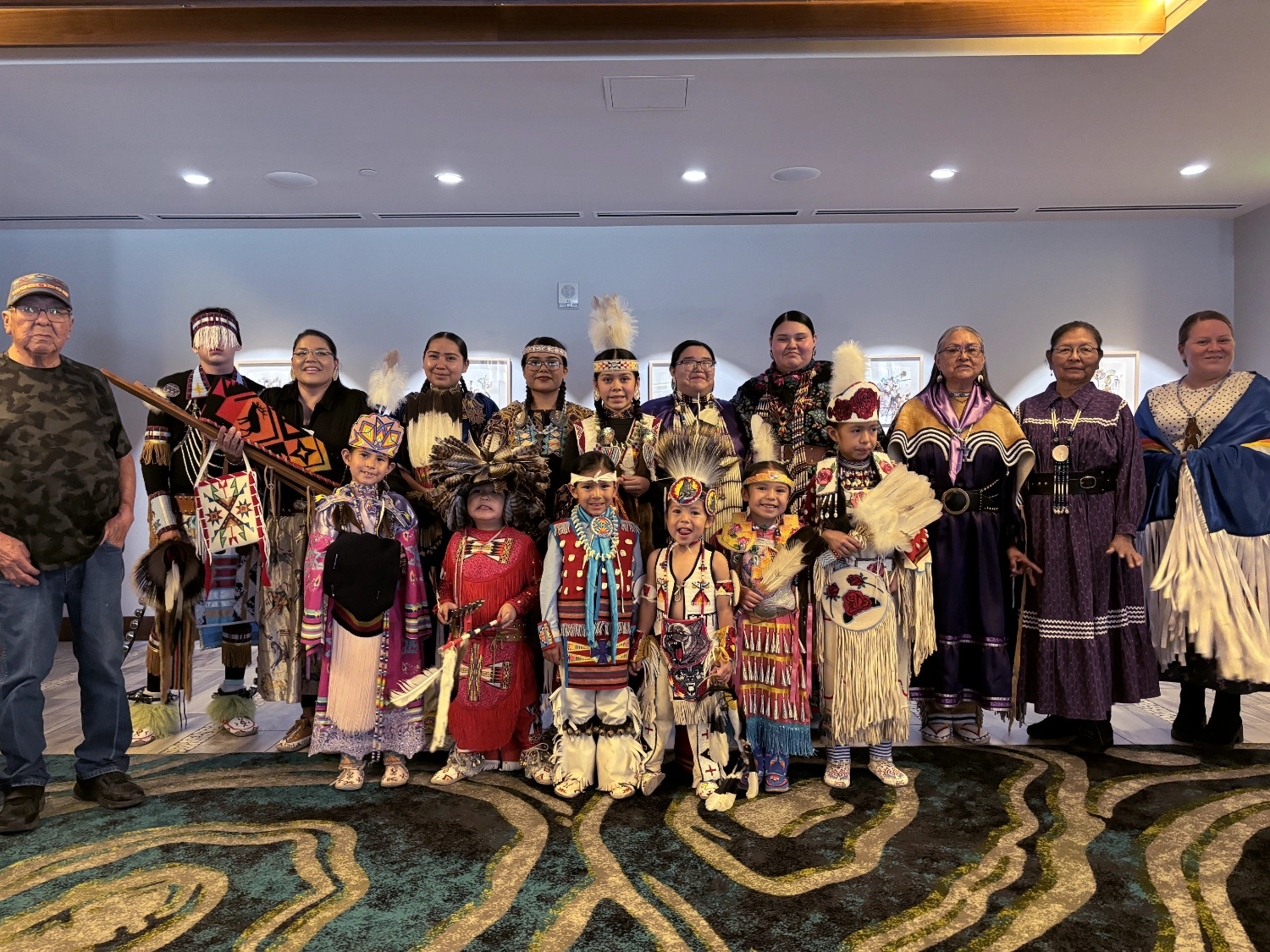
In March 2024, the City of Boulder planned a public gathering to welcome Tribal Representatives, Elders, singers, dancers, artists, and community members to The Peoples’ Crossing. A snowstorm canceled the formal program, but the relationships behind the event still gathered in the snow.
Case Study: At A Glance
What This Work Demonstrates
Relationship-centered public communication, public memory, Tribal relationship-building, civic gathering support, place-based storytelling, and respectful follow-through.
- Challenge
- The City of Boulder sought to create a meaningful public program honoring The Peoples’ Crossing and the city’s relationships with Tribal Nations. The work required careful planning, public communication, and coordination so the event reflected Tribal Representative guidance rather than becoming a symbolic city celebration.
- Role
- As a City of Boulder Open Space and Mountain Parks communication staff member, Phillip Yates helped support Tribal Consultation Working Group planning, public messaging, media relations, and communication connected to the event.
- Work
- Collaborative planning with Tribal Representatives, support for event naming and structure, public messaging, media preparation, coordination around public panels, and rapid communication when severe weather forced cancellation of the formal program.
- Outcome
- Although the public event was canceled, Cheyenne and Arapaho singers and dancers gathered at The Peoples’ Crossing in the snow with Tribal Representatives and city partners. The moment showed that relationship-building is not only expressed through formal programs. It is carried through presence, respect, continuity, and the willingness to gather even when plans change.
Role note: This work was conducted while Phillip Yates was employed by the City of Boulder Open Space and Mountain Parks Department. CenterSignal did not perform this work as an outside consultant. This case study does not speak for Tribal Nations, Tribal governments, Elders, Native communities, singers, dancers, artists, or Native-led experts.
This case study shows how history-informed placemaking can move beyond naming and interpretation into gathering, public learning, relationship-building, and care for what a place carries.
In Brief
In March 2024, the City of Boulder planned a public gathering, The Peoples’ Crossing: Honoring Relationships with Tribal Nations, to welcome Tribal Representatives, Elders, singers, dancers, artists, and community members into a shared public program.
The event was designed to honor The Peoples’ Crossing, recognize years of City-Tribal collaboration, and invite the Boulder community to learn from Tribal Nations and Native-led perspectives through ceremony, conversation, cultural sharing, and public education.
A major snowstorm forced the city to cancel the formal public program. But the relationships behind the event did not disappear with the schedule. Tribal Representatives, along with Cheyenne and Arapaho singers and dancers who had already arrived in Boulder, gathered in the snow to sing, dance, and honor the place.
What remained was not the planned municipal event. It was something simpler and more revealing: people gathering at The Peoples’ Crossing because the relationships, the place, and the history mattered.
Project Context And Collaborative Planning
The event was designed to honor The Peoples’ Crossing, a west Boulder place renamed in 2021 through consultation with Tribal Representatives. The name recognizes Boulder as a crossroads for Indigenous Peoples who have lived in and traveled through the area since time immemorial.
Planning took place over several months through City-Tribal Working Group meetings. Tribal Representatives and city staff shaped the event agenda together. The plan included a private morning blessing at The Peoples’ Crossing and afternoon public events with a flag procession honoring Native American veterans, Cheyenne and Arapaho singers and dancers, moderated panels, and a reception.
The Working Group also helped shape panel topics connected to Tribal sovereignty, Traditional Ecological Knowledge, cultural resource management, and the continuing responsibilities that come with public places carrying Indigenous history.
In February 2024, the Working Group reached consensus on the event name: The Peoples’ Crossing: Honoring Relationships with Tribal Nations.
That title mattered. It framed the event not as a one-time celebration, but as part of an ongoing relationship.
The Snowstorm And The Gathering
The event was scheduled for Thursday, March 14, 2024. A major snowstorm forced the city to cancel the formal public program.
But some Tribal Representatives, singers, and dancers had already arrived in Boulder.
On the morning the event was supposed to take place, Cheyenne and Arapaho singers and dancers gathered at The Peoples’ Crossing in heavy snow. They sang, danced, and honored the place even though the public schedule had been canceled.
The formal event did not happen as planned. But the gathering still carried the meaning behind the event: relationship, presence, history, and respect for the land.
For a city event, cancellation usually means the story ends. In this case, the most memorable part happened after the cancellation.
History, Relationship, And Placemaking
The Peoples’ Crossing is not only a renamed park. It is a public place where Boulder’s origin story, Indigenous presence, treaty history, community memory, and present-day responsibility meet.
That is why the March 2024 event matters as a placemaking case study.
The work was not only about planning panels, logistics, messaging, or media. It was about helping a public place carry a fuller story. The event connected name, land, people, cultural practice, and public education.
History-informed placemaking is often visible through signs, names, interpretation, public programs, and gathering. But the deeper work is relational. It asks who is invited, who guides the meaning, whose histories are centered, and how the community learns to gather differently around a place.
What This Work Demonstrates
This case study demonstrates how organizations can:
- Co-create public events with the people and communities being honored.
- Let Tribal Representative guidance shape the name, structure, and public meaning of an event.
- Use public programming to help communities understand why a place matters.
- Prepare communication that supports history, relationships, and public learning rather than simple promotion.
- Respond to unexpected disruption while keeping the purpose of the work intact.
- Recognize that public memory work is not only about interpretation. It is also about presence, gathering, continuity, and care.
The impromptu gathering in the snow showed that meaningful relationships cannot be reduced to an event schedule. They have to be built before the event, carried during the event, and honored after the event.
Institutional Legacy
The formal panels and reception were canceled, but the effort remains an important part of Boulder’s City-Tribal relationship work.
The event planning reflected the city’s Indigenous Peoples Day Resolution and its ongoing responsibility to acknowledge the past, address omissions in public history, and continue learning how to engage Tribal Nations with greater care.
City Manager Nuria Rivera-Vandermyde noted that while the city had made progress on joint projects, municipal leaders recognized they were still learning how to engage Tribal Nations meaningfully and would continue looking to Tribal guidance in the future.
That humility is central to the legacy of the work.
The March 2024 gathering showed that public memory is living. It is carried by people, songs, movement, weather, place, and relationships. Even when the formal program was canceled, the purpose behind the work remained visible.
For CenterSignal, the lesson is clear: history-informed placemaking is not only about what a place is called. It is about how people are invited to gather, what histories are made visible, and whether relationships are strong enough to carry the work when plans change.
Related
Start With The Place
Have a project, public story, or community process shaped by land, memory, history, or relationships?
CenterSignal can help you understand what the place carries, prepare the people leading the work, and communicate meaningful history with care, clarity, and responsibility.