
History Before Land Acknowledgments
While employed by the City of Boulder Open Space and Mountain Parks Department, Phillip Yates helped manage, research, write, communicate, and roll out the City of Boulder staff land acknowledgment.
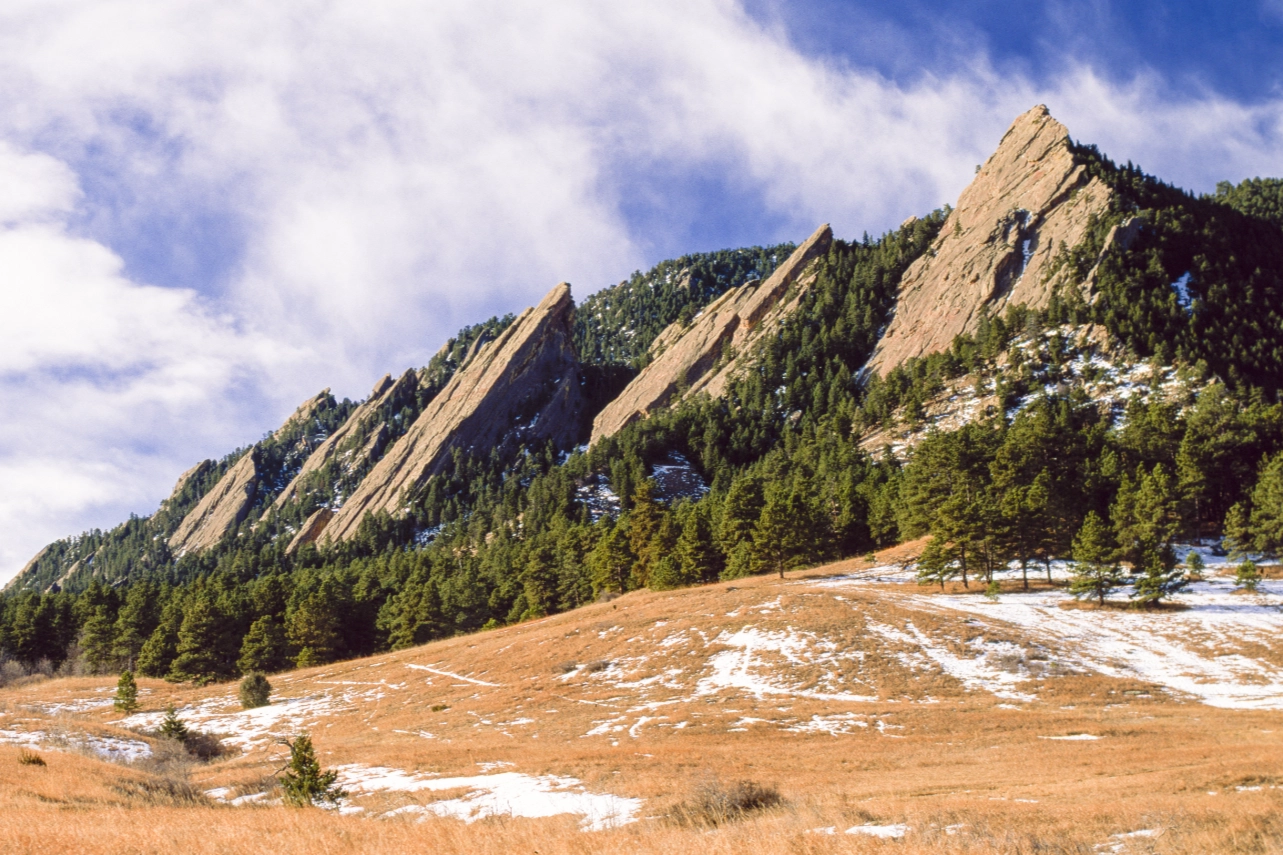
Case Study: At A Glance
What This Work Demonstrates
Historical research, land acknowledgment communication, project management, community engagement, internal communication, implementation support, and follow-through.
- Challenge
- Land acknowledgments can become thin when they are written without historical context, relationship work, staff preparation, or a clear sense of responsibility.
- Role
- As a City of Boulder Open Space and Mountain Parks communication staff member, Phillip Yates helped manage the research, writing, communication, and staff rollout for the City of Boulder staff land acknowledgment.
- Work
- Historical research, consultation-support communication, internal writing, leadership briefings, public messaging, staff education materials, and rollout coordination.
- Outcome
- A staff land acknowledgment grounded in history, stronger internal understanding, public media coverage, and a more responsible foundation for continued City of Boulder engagement with Tribal Nations.
Role note: This work was conducted while Phillip Yates was employed by the City of Boulder Open Space and Mountain Parks Department. CenterSignal did not perform this work as an outside consultant. This case study does not speak for Tribal Nations, Tribal governments, Elders, Tribal Representatives, Native communities, or Native-led experts.
What This Case Demonstrates
This work shows how organizations can move beyond performative land acknowledgment by grounding public language in historical research, staff preparation, community feedback, Tribal guidance, public communication, and continuing responsibility.
In Brief
The City of Boulder staff land acknowledgment grew from community input, historical research, draft development, and review with Tribal Elders and Tribal Representatives.
The work included revisions, internal rollout, staff education, public explanation, and media communication. It was part of Boulder’s broader effort to listen to Tribal Nations, update agreements, seek guidance, and strengthen relationships.
This case study demonstrates a core CenterSignal principle: a land acknowledgment should not be where the work begins or ends. History, listening, preparation, and continued responsibility have to come first.
Why This Work Matters
Land acknowledgments can become performative when they are treated as statements to publish rather than processes of learning, listening, preparation, and accountability.
The City of Boulder staff land acknowledgment was meaningful because it was not treated as a stand-alone writing assignment. It grew from public input, historical research, Tribal guidance, city-Tribal consultation work, staff education, and a broader recognition that words alone are not enough.
The deeper lesson is simple: organizations connected to land, public space, community memory, or Indigenous history should understand the history before they write public-facing language. That understanding can become a foundation for stronger relationships with Native communities and Tribal Nations.
Project Context
The City of Boulder developed its staff land acknowledgment from its Indigenous Peoples Day Resolution, racial equity commitments, and existing government-to-government relationships with federally recognized American Indian Tribal Nations.
The project recognized that the Arapaho, Cheyenne, Ute, and many other Indigenous Peoples are connected to Boulder and other Colorado lands. It also recognized that an acknowledgment should be developed with Tribal guidance, community input, and historical care.
The work took place alongside other city commitments, including updating agreements with Tribal Nations, seeking recommendations for renaming Settlers Park, continuing to listen to matters of importance to Tribal Nations, and asking Tribal Nations for guidance on land acknowledgments.
Role And Communication Support
Phillip Yates helped manage the staff land acknowledgment effort while employed by the City of Boulder Open Space and Mountain Parks Department.
The work included:
- Managing the acknowledgment development process.
- Conducting historical research before bringing draft language back to Tribal Elders and Tribal Representatives.
- Working with community members to seek and incorporate feedback.
- Drafting and refining acknowledgment language.
- Presenting the work to Tribal Elders and Tribal Representatives.
- Receiving additional feedback and supporting revisions.
- Supporting internal rollout to city staff.
- Helping prepare the acknowledgment for public display and use.
- Communicating the purpose of the work to the public and media.
- Explaining that the process needed to be done with respect, honor, and Tribal guidance.
- Connecting the acknowledgment to continued action, listening, and relationship-building.
The work was especially meaningful because Tribal Elders and Representatives reviewed the acknowledgment, helped shape revisions, and supported a bridge toward deeper relationship-building.
Public Communication And Media Framing
Phillip served as a public spokesperson for the effort as Boulder sought community input and prepared to consult with Tribal Nations.
In media coverage, he explained that Boulder wanted the work to be done with respect and honor, and that seeking Tribal guidance was an essential step before moving forward. He also connected the acknowledgment to broader city work with Tribal Nations, including updated agreements, place renaming, continued listening, and future guidance.
That public framing is central to the case study. The message was not simply “we wrote an acknowledgment.” The message was that the city needed to listen, learn, understand the history, seek guidance, and connect public words to continuing responsibility.
History First, Acknowledgment Second
The strongest land acknowledgments are built on community history. They should not replace the work of learning what happened, who has been left out, what a place carries, and what relationships need to be strengthened.
For many organizations, the better first step is not drafting the acknowledgment. The better first step is understanding the history with enough honesty and care to know what should be acknowledged, what still needs to be learned, and who should guide the process.
A land acknowledgment can be a meaningful public expression, but it should not be the destination.
What This Case Study Demonstrates
This case study demonstrates CenterSignal’s history-first approach to land acknowledgment, staff preparation, place-based communication, and consultation-support work.
It shows how organizations can:
- Begin with history before writing public acknowledgment language.
- Treat a land acknowledgment as one expression of deeper public understanding, not the work itself.
- Use community feedback to strengthen public-facing language.
- Work with Tribal Elders and Tribal Representatives without claiming authority over Native history.
- Include historically sensitive public history with clarity and care.
- Prepare staff and leaders to understand why the words matter.
- Communicate the process to the public and media with respect and humility.
- Connect acknowledgment work to continued listening, action, and relationship-building.
Public Sources
Primary public source: City of Boulder, “Staff Land Acknowledgment.”
Supporting media source: Daily Camera coverage of Boulder’s land acknowledgment process, including public comments from Phillip Yates that the work needed to be done with respect and honor.
Related
Start With The Place
Have a project, public story, or community process shaped by land, memory, history, or relationships?
CenterSignal can help you understand the context, prepare the people leading the work, and communicate meaningful history with care, clarity, and responsibility.