
Niwot Tree Carvings
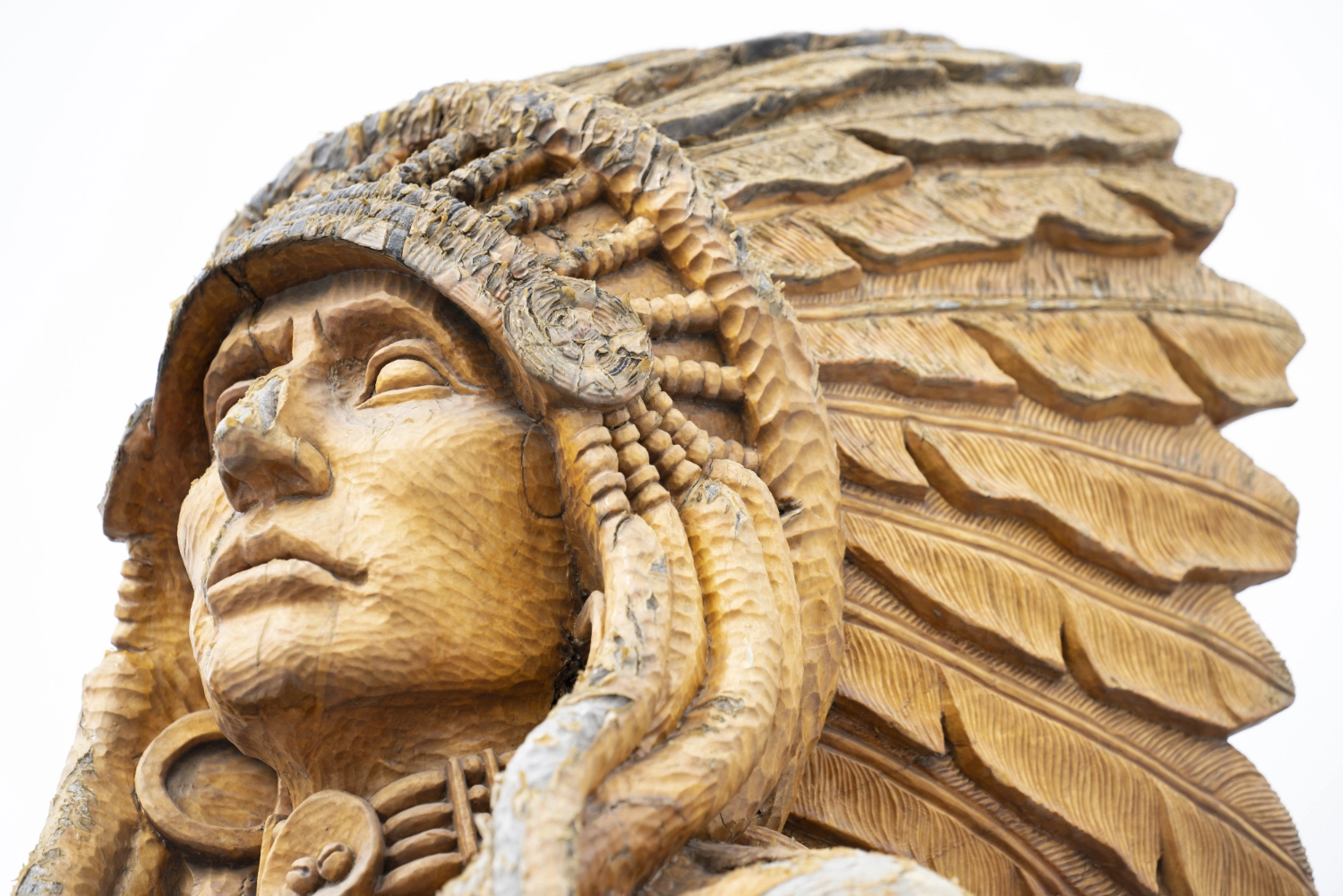
A public-facing website created by Phillip Yates to help residents and visitors learn about the Niwot Tree Carvings — a visible community art landmark honoring Indigenous legacy, local memory, and place identity in Niwot, Colorado.
Case Study: At A Glance
What This Work Demonstrates
Public art interpretation, local history, community memory, preservation storytelling, digital public education, and place-based cultural storytelling.
- Challenge
- The Niwot Tree Carvings are a visible community landmark, but information about the artists, restoration story, and effort to create a permanent home was scattered and hard for residents and visitors to find.
- Role
- Phillip Yates created NiwotCarvings.org as an independent public-facing website to organize the story of the carvings, credit the artists, explain the restoration context, and support public understanding of the effort to find them a permanent home.
- Work
- Website creation, public writing, artist credit, image organization, restoration context, donation-facing language, and a small digital platform helping residents and visitors understand the carvings and their future in Niwot.
- Outcome
- A single public-facing website giving residents and visitors a clearer way to learn about the carvings, the artists, the restoration story, and the effort to create a permanent home for a visible Niwot landmark.
Role note: Phillip Yates created the NiwotCarvings.org website as an independent public-facing resource. He did not create, commission, restore, fund, manage, or culturally authorize the carvings. This page should not imply that CenterSignal, Phillip Yates, or NiwotCarvings.org speaks for Tribal Nations, Native communities, Native artists, or cultural authorities.
In Brief
Phillip Yates created NiwotCarvings.org to help residents and visitors learn about the Niwot Tree Carvings, a visible public art landmark connected to Indigenous legacy, local storytelling, and place identity in Niwot, Colorado.
The website organizes public-facing information about the carvings, the artists Eddie Running Wolf and Dustin Wolf, the restoration story, images, and the effort to help the sculptures find a permanent home. It preserves clear boundaries: this is website and public documentation work, not client work, Tribal consultation, restoration work, or a claim to speak for Native artists or Native communities.
Case Study
The Niwot Tree Carvings are among the most visible public art landmarks in Niwot. They help shape how residents and visitors experience the town’s identity, memory, and public spaces.
Phillip Yates created NiwotCarvings.org to make the story of the carvings easier to find and understand. The site organizes public-facing information about the artists, images, restoration context, and the effort to create a permanent home for the sculptures in Niwot.
The project is included on CenterSignal as a small example of place-based digital communication. It shows how a focused website can help gather scattered information, give public art clearer context, support community awareness, and help people understand why a visible landmark matters — without overstating authority.
Placemaking Through Public Art Documentation
Public art becomes part of how people remember and describe a place.
The Niwot Tree Carvings are not only objects along a street. They are landmarks people notice, photograph, ask about, and associate with the identity of the community. When information about them is hard to find, part of the local story becomes harder to carry forward.
NiwotCarvings.org helps keep that story visible. It gives residents and visitors a place to learn about the carvings, the artists, the restoration story, and the hope for a permanent home while maintaining clear boundaries around cultural authority and representation.
Public Source Notes
Primary public source: NiwotCarvings.org. Link to the external site as the source for carving documentation, artist information, restoration context, images, donation information, and related public materials.
What This Case Study Demonstrates
This supporting page demonstrates how:
- Public art can shape local memory and place identity.
- Small digital documentation projects can help organize scattered community information.
- Place-based communication can make visible landmarks easier to understand.
- A focused website can support public awareness around artists, restoration, and a future home for community art.
- History-informed placemaking can include simple, practical resources that help people understand what they are seeing.
- Public documentation can provide context without claiming cultural authority.
Ethical Boundary
CenterSignal, Phillip Yates, and NiwotCarvings.org do not speak for Tribal Nations, Native communities, Native artists, or cultural authorities. This case study is limited to website creation, public documentation, artist credit, image organization, restoration context, donation-facing information, community education, and local context. It does not claim involvement in the creation, commissioning, restoration, funding, ownership, cultural authorization, or management of the carvings.
Related
Start With The Place
Have a project, public story, or community process shaped by land, memory, history, or relationships?
CenterSignal can help you understand what the place carries, prepare the people leading the work, and communicate meaningful history with care, clarity, and responsibility.