
Niwot Native Art Market
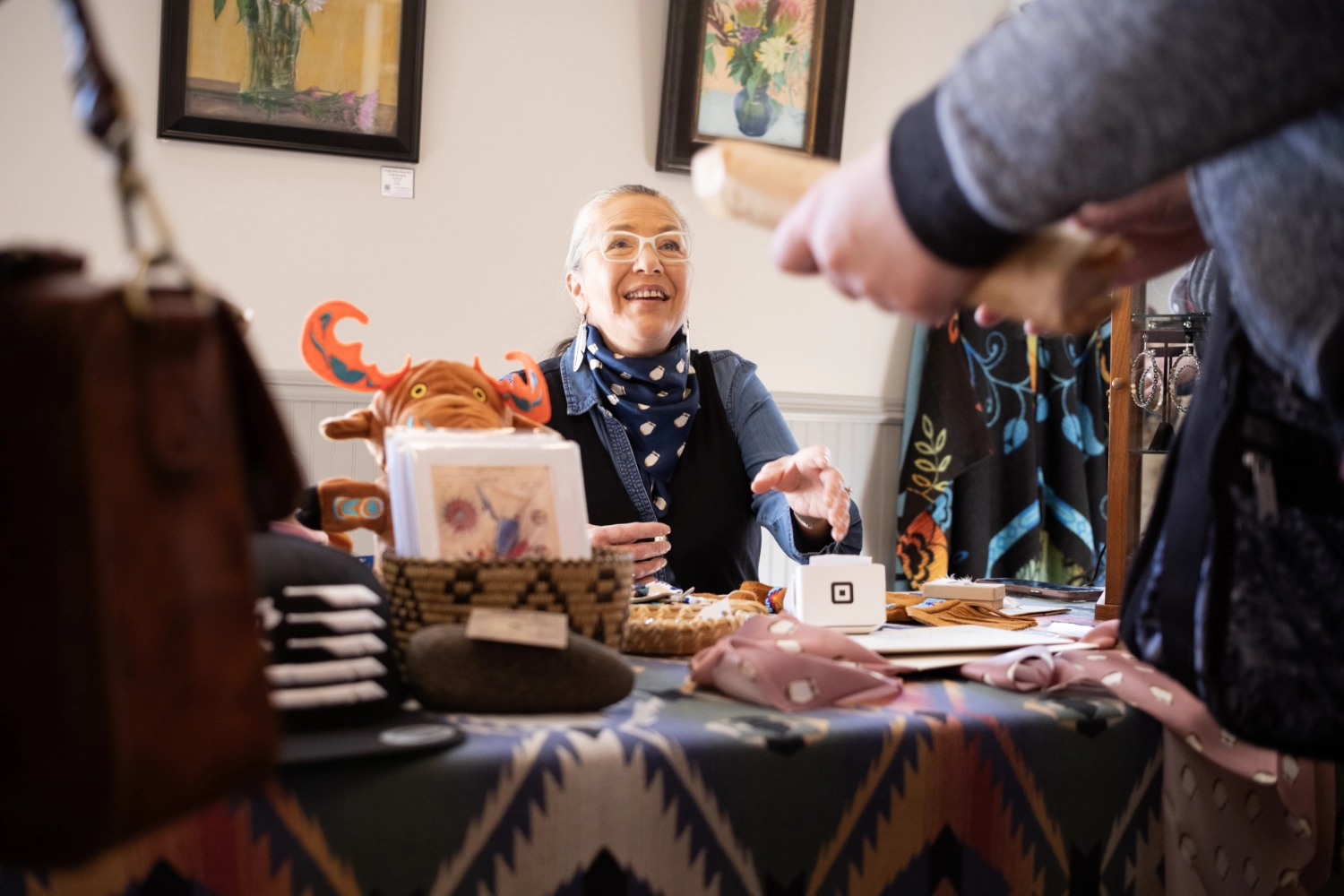
A Native artist-first community event developed with Native artist Tom Myer, Thunder Wolf Native Arts and Culture, and the Niwot Cultural Arts Association — creating space for Native artists to share their work, culture, and stories in Niwot, Colorado.
Case Study: At A Glance
What This Work Demonstrates
Cultural programming, Native artist visibility, community partnership, public communication, relationship-centered placemaking, and local public engagement.
- Challenge
- Niwot is named for Southern Arapaho Chief Nowoo3, yet the town had few public spaces where Native artists could share work, culture, and stories on their own terms.
- Role
- Phillip Yates supported the Niwot Native Art Market through public communication, coordination, documentation, and board service with the Niwot Cultural Arts Association.
- Work
- Artist-first event support, public messaging, press outreach, documentation, community coordination, and follow-through connecting Native artists and Niwot community partners.
- Outcome
- Three successful markets, nearly twenty participating Native artists, sustained press coverage, growing community recognition, and a public program connecting present-day Native art with local history.
Role note: This is community cultural work, not client work. Do not imply CenterSignal Media, Phillip Yates, Niwot, or the Niwot Cultural Arts Association owns, represents, directs, or speaks for Native artists, Native cultural programming, Tribal Nations, Elders, or Native communities.
In Brief
The Niwot Native Art Market shows how cultural programming can help a community gather differently around place. Developed with Native artist Tom Myer, Thunder Wolf Native Arts and Culture, and the Niwot Cultural Arts Association, the market creates space for Native artists to share work, culture, and stories in Niwot — a town named for Southern Arapaho Chief Nowoo3.
For CenterSignal, this case study demonstrates history-informed placemaking in a practical form: artist-first event support, public communication, press outreach, documentation, and community connection rooted in land, memory, and present-day Native presence.
Why This Matters For CenterSignal Clients
This case study shows how cultural programming can help communities move beyond symbolic acknowledgment into visible support, public learning, artist-centered participation, and continued relationship-building.
Case Study
The Niwot Native Art Market is an artist-first community event developed with Native artist Tom Myer and supported by Niwot community partners, including the Niwot Cultural Arts Association.
The market creates a welcoming public space where Native artists can show and sell their work, share cultural knowledge, and build community connections on their own terms.
It also connects to Niwot’s deeper history. Niwot is named for Southern Arapaho Chief Nowoo3, also known as Chief Niwot or Left Hand, whose family history and community memory are connected to Boulder Valley, Sand Creek, and Arapaho and Cheyenne histories.
The market helps the community encounter present-day Native art while deepening public understanding of the place name it uses every day.
Phillip Yates supported the market through public communication, documentation, community coordination, and Niwot Cultural Arts Association board service. The work shows how history-informed communication can support real community programs, not only written interpretation.
Placemaking Through Native Art
The market is not only an arts event. It is a place-based public program.
In a town named for Chief Nowoo3, creating room for Native artists changes how the community gathers, learns, and understands itself. The work does not replace historical research, Tribal engagement, or Native-led interpretation. But it does help make Native presence visible in everyday community life.
That is why the market matters as a placemaking case study. It connects art, public space, local history, and community relationship-building without turning Native culture into decoration or branding.
Proof Points
Public proof points include:
- Left Hand Valley Courier coverage identifying Tom Myer and Phil Yates as Native Art Market organizers and describing the third market as a successful gathering featuring nearly 20 Native artists.
- Preview coverage for the November 2025 market emphasizing the artist-first structure: no table fees and 100 percent of sales going to artists.
- The July 2025 Left Hand Laurel article recognizing Phillip Yates for work with the Niwot Cultural Arts Association and Tribal consultation, including his role as a member of the Niwot Cultural Arts Association board of directors.
- The Niwot Community Association annual meeting page connecting Phillip Yates’s presentation, the first Native Art Market, and the following day’s Arapaho, Cheyenne, and Niwot relationship-building event.
- 2026 coverage of Sundance planning identifying Phil Yates as a Niwot Cultural Arts Association board member involved in discussions about possible Niwot cultural activities, including Indigenous artists and filmmakers.
Press Coverage
What This Case Study Demonstrates
The Niwot Native Art Market demonstrates how cultural programming can support history-informed placemaking when Native artists remain centered.
It shows how communities can:
- Create public space for Native artists to share work on their own terms.
- Connect present-day Native art with local history and place memory.
- Use cultural programming to deepen public understanding.
- Support artists through event design, communication, and community turnout.
- Build public proof through press coverage, repeat programming, and local recognition.
- Move beyond symbolic acknowledgment into gathering, learning, and continued relationship-building.
- Show that placemaking is not only about signs, names, or interpretation — it is also about who is welcomed into public space and whose presence is made visible.
Related
Start With The Place
Have a project, public story, or community process shaped by land, memory, history, or relationships?
CenterSignal can help you understand what the place carries, prepare the people leading the work, and communicate meaningful history with care, clarity, and responsibility.