
Boulder Open Space and Mountain Parks Communication
Phillip Yates's prior City of Boulder Open Space and Mountain Parks experience included public communication, engagement support, media materials, visitor guides, videos, and community-facing explanations for open space, outdoor recreation, and natural resource issues.
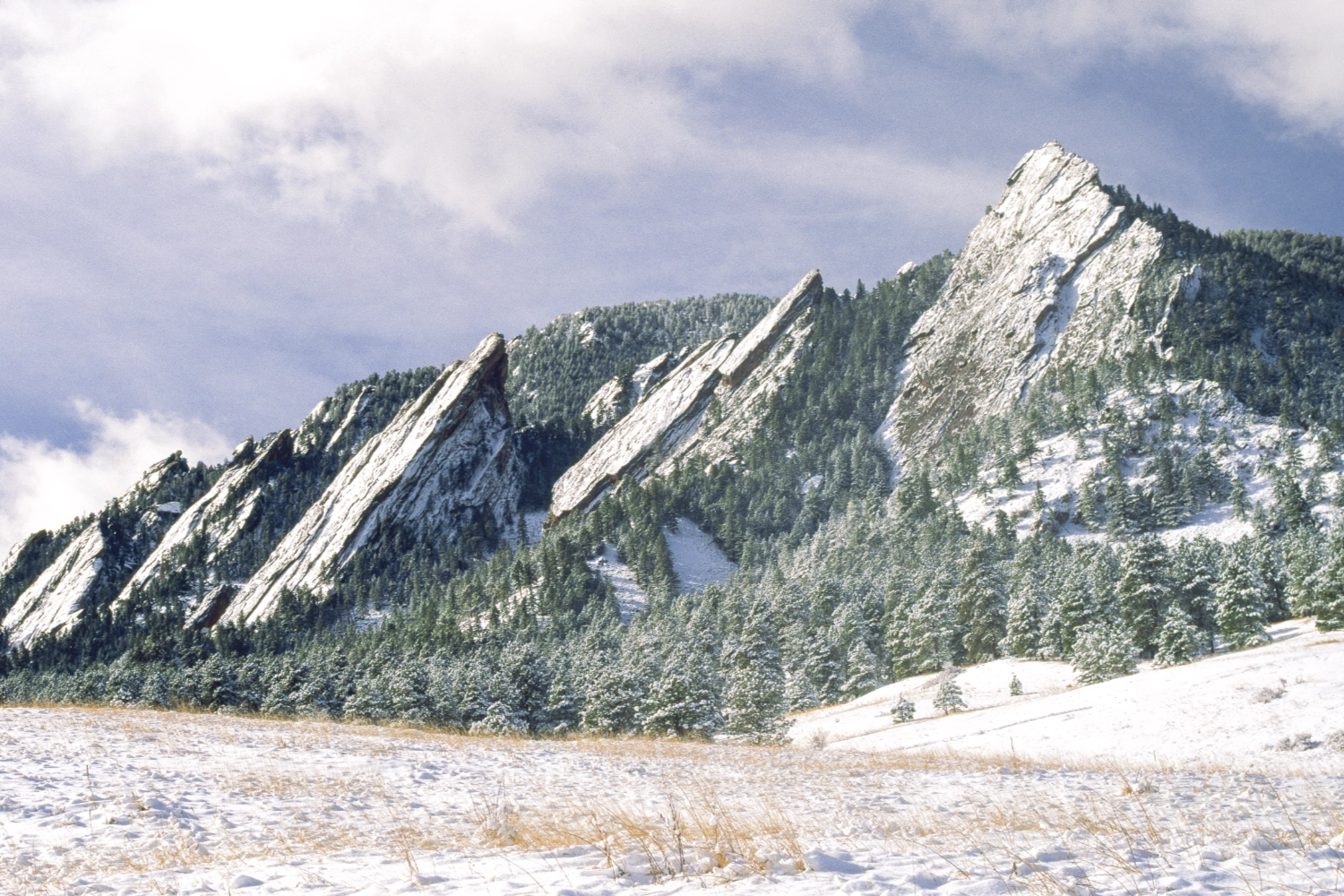
Case Study: At A Glance
What This Work Demonstrates
Public land communication, natural resource communication, civic engagement, media materials, community-facing explanation, project communication, and public trust.
- Challenge
- Visible open space issues — trail closures, wildlife protections, recreation pressures, and natural resource decisions — required clear explanation for residents, visitors, staff, media, and decision-makers.
- Role
- As a City of Boulder Open Space and Mountain Parks communication staff member, Phillip Yates supported communication, engagement, and media materials connected to land stewardship, wildlife, trails, recreation, and public process.
- Work
- Public messaging, media materials, videos, web content, visitor guides, engagement support, and coordination with staff scientists, rangers, planners, and project teams.
- Outcome
- Clearer explanations of complex open space issues, recognized public communication, and durable materials that supported staff, visitors, community members, media, and decision-makers.
Role note: This case study describes work Phillip Yates helped support while employed by the City of Boulder Open Space and Mountain Parks Department. CenterSignal did not perform this work as an outside consultant.
In Brief
Phillip Yates's prior City of Boulder Open Space and Mountain Parks experience included communication, engagement support, media materials, visitor guides, meeting content, web updates, videos, press releases, and public-facing explanations for visible open space, recreation, and natural resource issues.
This case study broadens the CenterSignal proof stack beyond public memory. It shows direct experience helping a public land agency communicate decisions involving recreation access, trail planning, ecological management, open space planning, public expectations, visitor behavior, and community trust.
The Public Need
Open space communication is rarely only about recreation.
It often involves public values, ecological tradeoffs, visitor expectations, neighborhood concerns, cultural landscapes, public process, media questions, and the long-term responsibility communities feel toward land.
Phillip Yates's City of Boulder experience included communication support for some of the city's most visible public land and outdoor recreation issues.
That work helped shape CenterSignal's broader approach: understand the place, clarify the decision, explain the context, support engagement, and help people understand what is being decided and why it matters.
Public Land Communication As Placemaking
Open space systems shape how people experience a community.
Trails, trailheads, closures, wildlife protections, visitor rules, interpretive materials, planning processes, and recreation access decisions all influence how people understand land and their responsibilities to it.
That is why public land communication belongs in CenterSignal's placemaking practice. The work is not only about explaining a decision. It is about helping people understand the land, the tradeoffs, the values involved, and the shared responsibilities that come with public places.
Open Space Master Plan Communication
Phillip supported communication for Boulder's 20-month public process to develop and adopt the city's Open Space Master Plan.
The work included public updates, planning explanations, community-facing materials, and communication support to help residents understand the future of Boulder's open space system and the choices involved in long-term land stewardship.
Public recognition for this work includes the Open Space Master Plan Strategy being listed by the City of Boulder as a Gold winner in the 2019 PRSA Colorado Awards and a Platinum winner in the 2019 Hermes Creative Awards.
E-Bike Access And Outdoor Recreation Communication
Phillip led communication for Boulder's citywide e-bike access engagement process and later developed public-facing guides, messaging, and updates to help visitors understand where and how e-bikes are permitted on city-managed open space trails.
This work required clear explanation around recreation access, visitor behavior, trail rules, community expectations, and the realities of managing a highly visible open space system.
Trail Planning And Public Engagement Communication
Phillip supported high-volume communication for trail planning and engagement efforts, including surveys, videos, press releases, web updates, meeting materials, trailhead outreach, stakeholder communication, and media support for community-facing decisions.
The work helped translate planning processes and technical information into materials that residents, visitors, stakeholders, staff, and decision-makers could use.
Public recognition for related trail planning communication includes PRSA Colorado 2017 Silver Pick recognition for the City of Boulder Open Space and Mountain Parks North Trail Study Area Plan in both Integrated Communications — Government and Community Relations — Government.
Complex Land Management Communication
Phillip provided communication support for challenging land management issues on Boulder open space lands, including sensitive topics such as prairie dog management.
The work required clear explanation of ecological context, public concerns, management tradeoffs, staff expertise, and city decision-making.
This experience matters for CenterSignal because it shows the ability to communicate where science, public values, land stewardship, emotion, and institutional responsibility meet.
Celebrating 50 Years Of Boulder Open Space
Phillip helped support a citywide campaign marking the 50th anniversary of Boulder's open space sales tax.
That work included public events, storytelling, art, contests, digital engagement, media outreach, and community-facing materials marking one of Boulder’s most important public land milestones.
What This Case Study Demonstrates
This case study makes one point clear: CenterSignal is not only about public memory or historically sensitive stories.
The practice is also grounded in public land communication, outdoor recreation issues, natural resource explanation, engagement support, media preparation, and the discipline required to help communities understand complex decisions about land.
It shows experience with:
- Public land and open space communication.
- Outdoor recreation and e-bike access communication.
- Trail planning and engagement support.
- Natural resource and land management communication.
- Visitor guides, web updates, videos, press releases, and meeting materials.
- Media support for visible public issues.
- Communication coordination inside a public agency.
- Explaining complex tradeoffs without flattening them.
- Helping people understand how public places are managed, used, protected, and shared.
For CenterSignal, this experience connects directly to history-informed placemaking. Public places are not only shaped by their histories. They are also shaped by the everyday decisions, rules, explanations, and community conversations that determine how people encounter and care for them.
Related
Start With The Place
Have a project, public story, or community process shaped by land, memory, history, or relationships?
CenterSignal can help you understand what the place carries, prepare the people leading the work, and communicate meaningful history with care, clarity, and responsibility.